
Loungewear has evolved from simple home attire into one of today’s most versatile and in-demand fashion categories. Blending comfort, style, and functionality, modern loungewear is no longer confined to the home, it has become a wardrobe staple for work, leisure, travel, and everyday living.
What began as comfort-driven clothing has now found its place in the mainstream, often merging with athleisure and casualwear to meet the demands of modern life. Today’s consumers are drawn not only to the ease and softness of loungewear, but also to its potential for sustainability, minimalism, and seasonless design.
Whether you’re looking for a loungewear manufacturer or expanding into sustainable loungewear sets, this guide will help you understand the essentials.
What Makes Loungewear So Popular?
The popularity of loungewear didn’t appear overnight, it evolved naturally alongside lifestyle shifts. As people started spending more time at home, prioritizing wellness, and valuing clothing that could adapt to multiple situations, loungewear stepped into the spotlight and traditional fashion categories like officewear or weekendwear have started to blur.
Versatile Beyond “Home Clothes”
Modern loungewear is designed for far more than lazy Sundays. Consumers now wear their favorite sets for:
- Working from home while looking presentable on video calls
- Running errands or grabbing a quick coffee
- Traveling comfortably on long flights
- Relaxed weekends with friends
- Casual everyday dressing
What makes loungewear special is its ability to feel effortless while still looking coordinated and intentional. This is especially true for sustainable loungewear sets, which are often designed with matching colors, textures, or silhouettes for a polished yet laid‑back look.
Comfort at the Core
Comfort remains the heart of loungewear’s appeal. In an increasingly fast-paced and digitally driven world, consumers value clothing that helps them feel grounded and relaxed. Loungewear is designed with this in mind, soft, breathable fabrics and relaxed silhouettes that allow movement without sacrificing style. Cozy joggers, oversized hoodies, ribbed two‑piece sets, and stretchy knits have become essentials for those seeking all‑day comfort
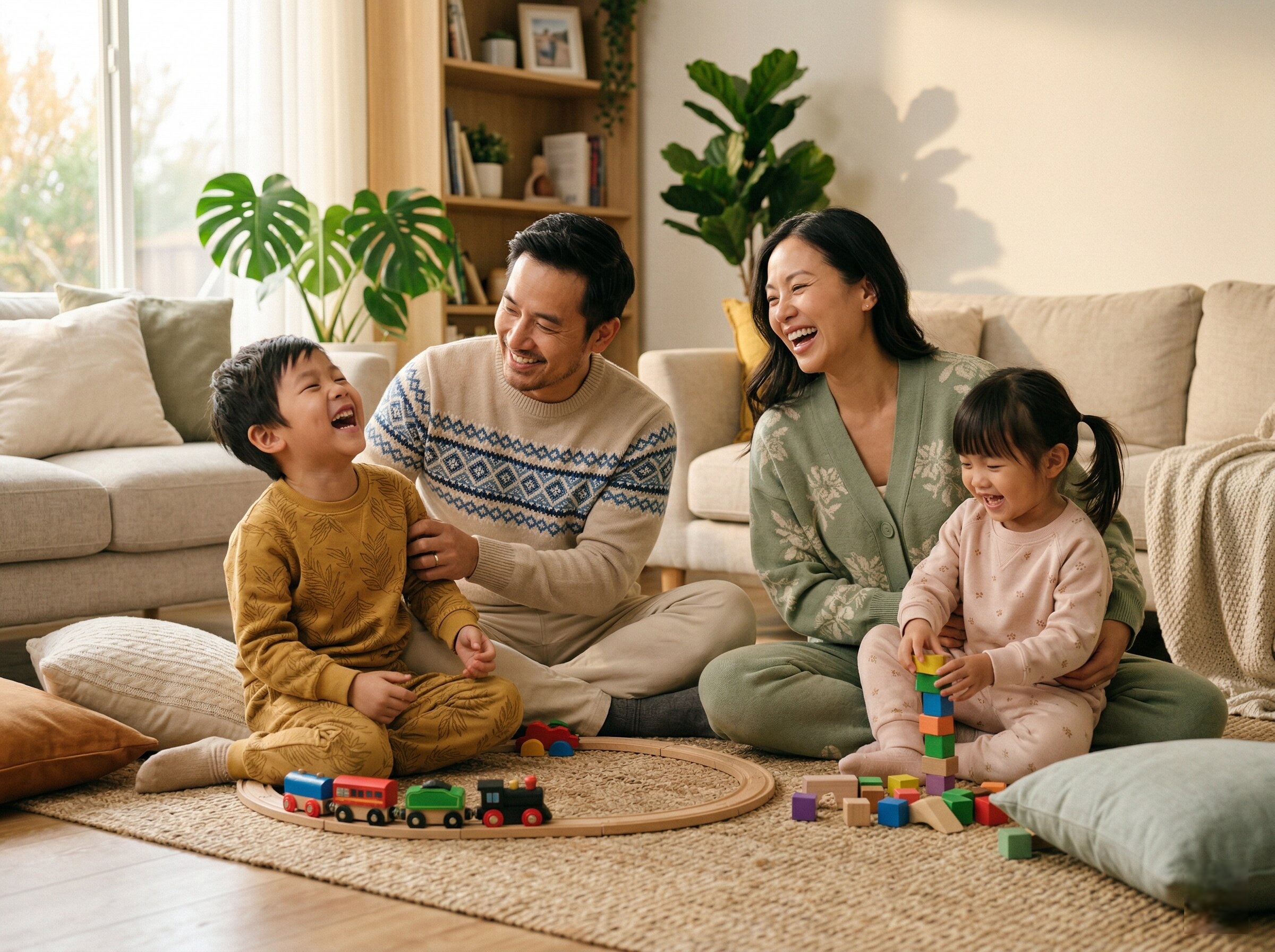
Loungewear is now loved by almost every family for its comfort, softness, and eco-friendliness.
Accessible and Easy to Care For
Affordability also plays a major role in loungewear’s widespread appeal. Unlike formalwear or structured office attire, loungewear is often more budget-friendly, easier to wash, and more durable for daily wear. This makes it an attractive investment, not only for comfort but also for long-term use. Consumers get more value out of pieces they can wear frequently, in multiple settings, all year round.
Is Loungewear the Same as Pajamas?
Not quite, though the two get mixed up all the time.
- Pajamas are built for sleeping, comfort comes first, and style usually takes a back seat.
- Loungewear is meant for both lounging and living, comfortable enough for home, but stylish and structured enough to wear outside.
Think of pajamas as “sleep clothes,” and loungewear as “everyday comfort wear.” It’s this blurred line between relaxation and presentability that keeps the category thriving.
Types of Materials Often Used for Loungewear
The soul of good loungewear lies in its fabric. Comfort is non‑negotiable, and the materials brands choose instantly shape how consumers experience the garments.
Common materials include:
- Cotton – soft, breathable, ideal for all‑season wear
- Polyester blends – durable, lightweight, budget‑friendly
- Fleece – warm and cozy, perfect for cooler months
- Jersey knit and rib knit – stretchable and smooth on the skin
French terry – a favorite for hoodies and joggers, offering softness with structure
The Shift Toward Sustainable Options
As sustainability becomes a priority for both brands and shoppers, more labels are transitioning to eco-friendly fibers when producing sustainable loungewear.
These materials combine comfort with lower environmental impact:
- Organic cotton: Uses fewer chemicals and is gentler on the skin
- Bamboo and bamboo viscose: Known for breathability, softness, and fast renewability
- Modal and Tencel: Smooth, lightweight, and produced through responsible processes
- Hemp: Strong, antibacterial, and grows with minimal water
- Recycled polyester: Gives new life to plastic waste and reduces reliance on virgin resources
These choices help brands elevate comfort while building collections that reflect modern values.
Benefits of Sustainable Loungewear
Choosing sustainable materials doesn’t just benefit the wearer, it also plays a meaningful role in shaping the fashion industry’s future.
1. Supports the Sustainable Fashion Movement
As conscious consumption continues to grow, sustainable loungewear fits naturally within slow fashion principles. Loungewear is worn frequently, such as at home, outdoors, and everywhere in between, so switching this category to eco-friendly materials has a significant cumulative impact.
2. Reduced Environmental Footprint
Choosing sustainable loungewear materials, such as organic cotton, bamboo, hemp, and recycled fibers, significantly lowers the environmental footprint of production. These natural fibers require less water, fewer pesticides, and reduced chemical processing compared to conventional fabrics. When brands incorporate recycled materials like recycled polyester, they help minimize textile waste and reduce dependence on virgin resources. This shift toward sustainable loungewear directly contributes to lowering the fashion industry’s overall carbon emissions and supports a cleaner, more responsible supply chain.
3. Long-Lasting and Durable
One of the strongest advantages of sustainable loungewear is its durability. High‑quality eco-friendly fibers, such as organic cotton, modal, or hemp, tend to be stronger and more resilient than cheaper synthetic alternatives. This means sustainable loungewear sets often maintain their softness, shape, and comfort for longer periods, reducing the need for frequent replacements. By extending garment life, brands and consumers naturally support slow fashion: buying fewer pieces, choosing better materials, and reducing overall waste.
Circular Fashion & Recycling
Sustainable loungewear also aligns perfectly with the principles of circular fashion. More brands are embracing take-back or recycling programs, where used loungewear garments are collected, broken down, and transformed into new fabrics. By doing so, these pieces are reused and repurposed instead of ending up in landfills. This circular approach extends the life cycle of materials and reinforces the core purpose of sustainable loungewear materials, to minimize waste and create a more regenerative textile system.
Shift in Consumer Behavior
Today’s consumers are increasingly aware of the environmental and social impact of fast fashion. As a result, they are turning to sustainable loungewear as a responsible alternative that aligns with their values. Choosing garments made from eco-friendly materials helps consumers make a conscious lifestyle choice, one that supports ethical production, reduces waste, and promotes environmental stewardship. Brands that prioritize sustainability and offer collections made from responsible fibers are more likely to attract and retain eco-conscious shoppers. For companies partnering with a loungewear manufacturer or a private label loungewear manufacturer, adopting sustainable materials also strengthens brand positioning and future-proofs their product offering.
Ready To Start Your Sustainable Loungewear Line?
Interestingly, the rise of loungewear has also created a practical entry point for fashion entrepreneurs. With consumer demand still strong post-pandemic, many new brands are launching with loungewear collections as their starting line. Its relative simplicity in production, strong market appeal, and alignment with modern values like comfort and wellness make it an ideal category for those breaking into the fashion industry.
Whether you’re launching a boutique line of sustainable loungewear sets or scaling up for global distribution, Thai Son is ready to support you. As a trusted loungewear manufacturer and private label loungewear manufacturer, we offer:
- Sustainable sourcing and fabric recommendations
- Design development and sampling
- Flexible MOQs for emerging brands
- High-capacity production for established labels
- Private label customisation with full brand support
Contact us via email kiki@lhc.vn. and connect with our team, we’d love to bring your vision to life.
References:
Textile Exchange Report 2023
Fashion for Good
Sustainable Apparel Coalition
European Flax and Hemp Association
Global Fashion Agenda


